

BCCI: From Humble Beginnings to Global Cricket Supremacy
The Rise of BCCI: How India’s Cricket Board Became a Global Powerhouse
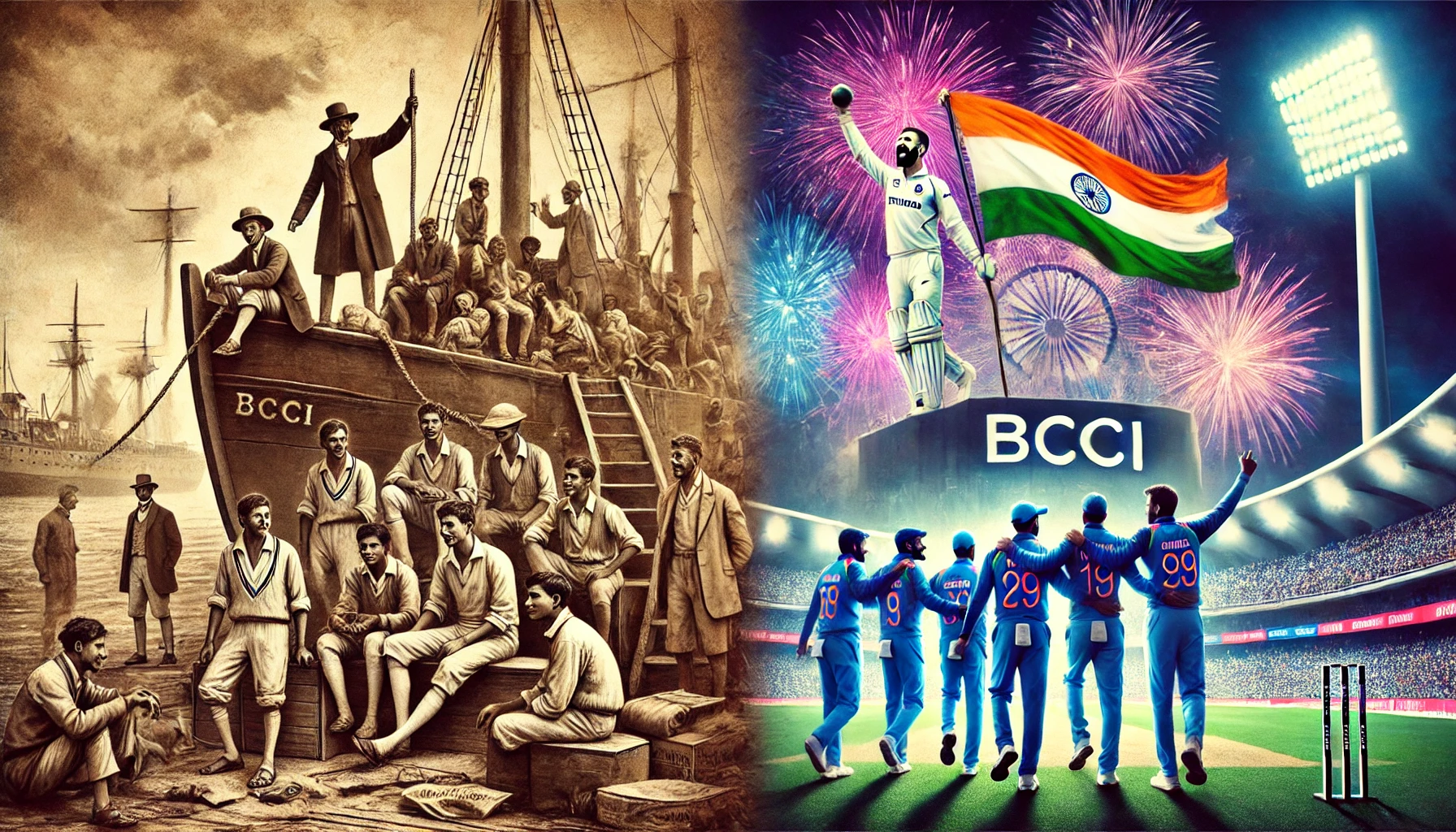
An in-depth case study on the transformation of the Board of Control for Cricket in India (BCCI) – outlining its early struggles, strategic evolution, revenue diversification, governance reforms, and global impact.
1. Introduction & Historical Context
In the early decades of Indian cricket, the national board and its players were treated with little respect and provided minimal financial support. Indian cricketers traveled in substandard conditions and received paltry allowances, reinforcing the notion that India was a marginal player in international cricket. However, over the past 40 years, a dramatic metamorphosis has taken place. Today, the BCCI not only commands billions of rupees in revenue but also exerts immense influence on the global cricketing landscape.
This transformation is a compelling example of how strategic vision, innovative revenue models, and modern governance can turn a neglected organization into a global powerhouse.
2. Early Challenges & Humiliations
Neglected Infrastructure & Poor Treatment
Cramped Travel & Inadequate Allowances:
In its nascent years, Indian players often endured overcrowded travel conditions and received allowances as low as one pound per week—a stark contrast to the lavish treatment of their English counterparts.Limited Financial Resources:
The BCCI operated with modest funds and lacked the infrastructure necessary for international competition, reflecting the broader socio-economic challenges of the time.
3. Turning Points & Strategic Vision
1983 World Cup Triumph
India’s unexpected victory in the 1983 Cricket World Cup became a watershed moment. The win ignited a sense of national pride and self-belief, challenging the long-held view of Indian cricket as insignificant and setting the stage for future transformation.
Commercialization of Media Rights
Visionary leaders, notably Jagmohan Dalmiya, recognized the untapped potential in broadcasting. By fighting legal battles—such as reclaiming the rights against Doordarshan—the BCCI established media rights as a valuable asset, paving the way for large-scale commercial deals.
The Birth of the IPL
The launch of the Indian Premier League (IPL) in 2008 was revolutionary. The IPL’s franchise model blended cricket with entertainment, attracted international talent, and redefined how revenue was generated in sports. This move not only boosted the BCCI’s finances but also re-established India as the epicenter of global cricket.
4. Key Strategic Initiatives
A. Diversification of Revenue Streams
Media Rights & Broadcasting Deals:
- The BCCI secured multimillion-dollar deals for broadcasting Indian cricket. For instance, recent contracts have fetched astronomical sums that continue to set global benchmarks.
- Media rights now constitute the lion’s share of revenue, enabling the BCCI to reinvest in infrastructure and talent development.
Sponsorship & Advertising:
- High-profile title sponsorships—from early deals with DLF and Pepsi to more recent partnerships with Tata—have significantly augmented revenue.
- Innovative advertising models, such as the strategic timeout in IPL matches, have created additional monetization channels, despite some controversy over disrupting game flow.
Franchise-Based Model & IPL:
- The IPL’s creation introduced a franchise model that revolutionized revenue generation. Franchise fees, merchandise sales, digital streaming rights, and sponsorships have made the IPL one of the world’s richest sports leagues.
- The league’s financial success has dramatically boosted the BCCI’s overall income and global influence.
B. Operational Excellence & Innovation
Modern Management Practices:
- Transitioning from a traditional sports body to a corporate entity, the BCCI invested in technology, digital platforms, and modern management systems.
- Upgraded stadiums, dedicated cricket academies, and cutting-edge analytics have enhanced both operational efficiency and the quality of cricket.
Global Collaborations & the “Big Three”:
- By leveraging its influence, the BCCI has reshaped global cricket governance. Its significant share of ICC revenues (around 40%) compared to other boards underscores its financial clout.
- Strategic collaborations and international networks have further solidified its position as the leading force in cricket.
5. Organizational & Governance Reforms
Visionary Leadership
Transformational Leaders:
Figures such as Jagmohan Dalmiya and Lalit Modi spearheaded bold reforms. Their willingness to challenge entrenched norms and embrace commercial opportunities set the stage for the board’s success.Internal Restructuring:
Following recommendations from reform bodies (e.g., the Lodha Committee), the BCCI implemented measures to enhance transparency, accountability, and governance. These reforms improved stakeholder trust and bolstered the board’s commercial prospects.
Strategic & Tactical Reforms
Adopting a Corporate Governance Model:
The BCCI introduced practices typical of modern corporations—regular audits, structured leadership hierarchies, and transparent decision-making—which attracted high-profile sponsors and media partners.Crisis Management & Adaptability:
Whether addressing controversies such as the IPL betting scandal or managing challenges during the COVID-19 pandemic, the BCCI demonstrated robust crisis management, ensuring long-term stability and growth.
6. Global Impact & Market Dominance
Redefining the Cricket Economy
Dominance Over International Revenues:
With its aggressive pursuit of commercial opportunities, the BCCI now generates revenues that dwarf those of traditional cricket boards in England, Australia, and Pakistan. Its success has redefined global revenue distribution models (e.g., the “Big Three” model).Leveraging a Passionate Fan Base:
India’s enormous cricket-loving population, coupled with the IPL’s entertainment value, has enabled the BCCI to monetize every aspect of the game—from live broadcasts and ticket sales to merchandise and digital engagement.
International Influence
Shaping Global Policies:
The BCCI’s financial clout has influenced international cricket regulations and revenue-sharing models, ensuring that India remains at the center of global cricket.Expansion Beyond Borders:
The board’s strategic initiatives have inspired similar franchise-based tournaments worldwide, including Australia’s Big Bash League and Major League Cricket in the US. This global proliferation has not only increased cricket’s reach but also amplified the BCCI’s influence.
7. Lessons Learned
Embrace Strategic Vision & Innovation
- Future-Proofing Through Innovation:
The BCCI’s journey illustrates that challenging traditional models and embracing digital transformation can drive exponential growth.
Diversify Revenue Streams
- Multiple Income Avenues:
By combining media rights, sponsorships, franchise fees, and merchandising, the BCCI created a robust financial ecosystem that mitigates risk and maximizes returns.
Invest in Infrastructure & Talent
- Building Capacity:
Investments in modern stadiums, training facilities, and talent development programs not only improve performance on the field but also ensure sustained financial growth.
Prioritize Governance & Transparency
- Robust Corporate Practices:
Implementing strong governance, transparent decision-making, and accountability is essential for attracting investment and maintaining long-term success.
Leverage National Passion
- Cultural Asset:
India’s deep-rooted cricket culture is a unique asset. The BCCI’s ability to harness this passion has driven fan engagement and created a global brand that transcends sport.
8. Conclusion
The transformation of the BCCI from a modest, under-resourced cricket board into the world’s richest and most influential sports organization is a testament to visionary leadership, innovative revenue diversification, and strategic governance reforms. By embracing modern management practices, diversifying revenue streams through groundbreaking initiatives like the IPL, and leveraging India’s immense cricketing passion, the BCCI has not only redefined the game of cricket but also reshaped the global sports economy.
This case study offers valuable lessons for any organization aiming for long-term, sustainable growth:
- Innovate and adapt: Stay ahead by rethinking traditional models.
- Diversify revenue: Build a robust ecosystem of multiple income streams.
- Invest in people and infrastructure: Create a legacy through capacity building.
- Implement transparent governance: Ensure accountability and trust among stakeholders.
The BCCI’s journey continues to inspire and serve as a blueprint for transforming challenges into opportunities on a global scale.